
Drafty rooms and soaring utility bills often signal that a home loses precious heating and cooling straight through the roof, robbing families of hard-earned money. By securing a trusted blown-in insulation contractor in Licking, MO, and the surrounding areas, property owners can quickly seal thermal leaks, slashing energy costs while protecting indoor health. Superior thermal defense transforms an ordinary house into a high-performance, sustainable living space that delivers enduring value for decades.
Upgrading your thermal barrier fundamentally changes how a building retains temperature throughout volatile weather cycles. Homeowners consistently seek out reputable blow-in insulation companies to resolve persistent temperature fluctuations and eliminate annoying seasonal drafts. A proper thermal barrier actively resists heat transfer, keeping living spaces cool during intense summer heatwaves and warm during bitter winter freezes. This proactive approach immediately impacts daily living standards while delivering noticeable financial returns.
Modern thermal solutions deliver a comprehensive shield that impacts far more than just internal temperature regulation. The Department of Energy reports that proper sealing combined with a robust thermal layer reduces heating and cooling costs by up to 20%. The strategic advantages extend across multiple facets of property ownership:
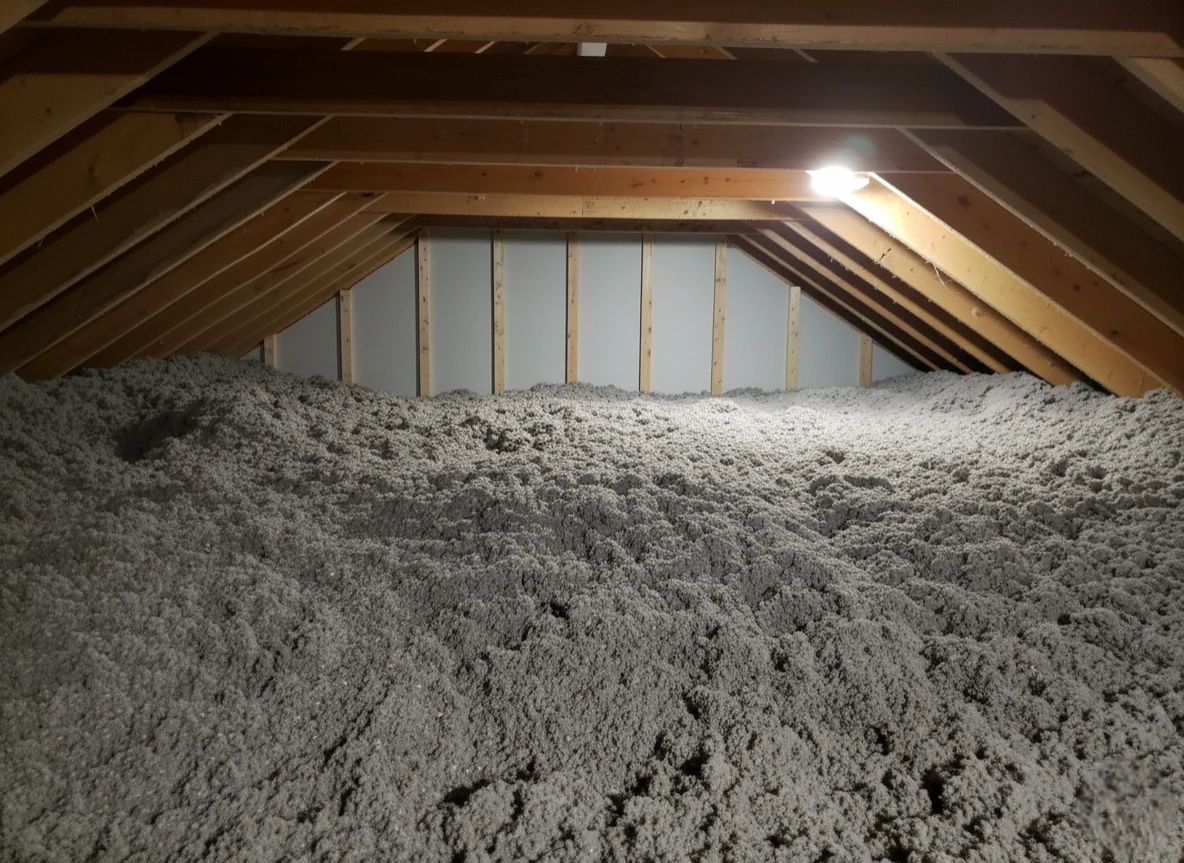
Selecting the precise material determines the long-term success of any thermal upgrade project. Advanced blown-in fiberglass insulation naturally resists settling over time, maintaining a consistent thermal barrier that fiercely protects against heat loss. Applying dense materials creates a seamless blanket over complex architectural features, completely filling awkward gaps. The industry relies on strictly high-grade products designed for maximum durability:
Proper placement determines how effectively these materials block unwanted thermal transfer throughout a structure. Integrating blown-in loose fill insulation directly targets vulnerable zones where heat actively escapes into the living environment. This versatile installation method reaches deep into difficult structural frameworks without requiring disruptive tear-outs or renovations. These premium materials are specifically applied to the following targeted areas:
Achieving optimal thermal resistance relies entirely on hitting specific density targets during the initial application phase. Property owners often compare standard loose-fill metrics against blown-in foam insulation R-value numbers to determine the most cost-effective path. A higher thermal resistance metric indicates a stronger defense against heat flow, making dense loose-fill highly competitive for substantial volume areas. Precision equipment ensures the material achieves the exact density required.
The execution of this upgrade requires careful calibration to prevent future material compression and subsequent loss of effectiveness. High-velocity pneumatic systems propel the selected material deep into remote crevices, forming an interlocking matrix that dramatically slows thermal bridging. Strategic implementation maximizes the protective qualities of the space, creating a reliable, dense shield. To illustrate thermal resistance variations, consider this comparison:
Material Type | Average R-Value Per Inch | Settling Resistance |
Loose-Fill Fiberglass | R-2.2 to R-2.9 | High |
Loose-Fill Cellulose | R-3.1 to R-3.8 | Moderate |
Standard Spray Foam | R-3.6 to R-6.0 | Very High |
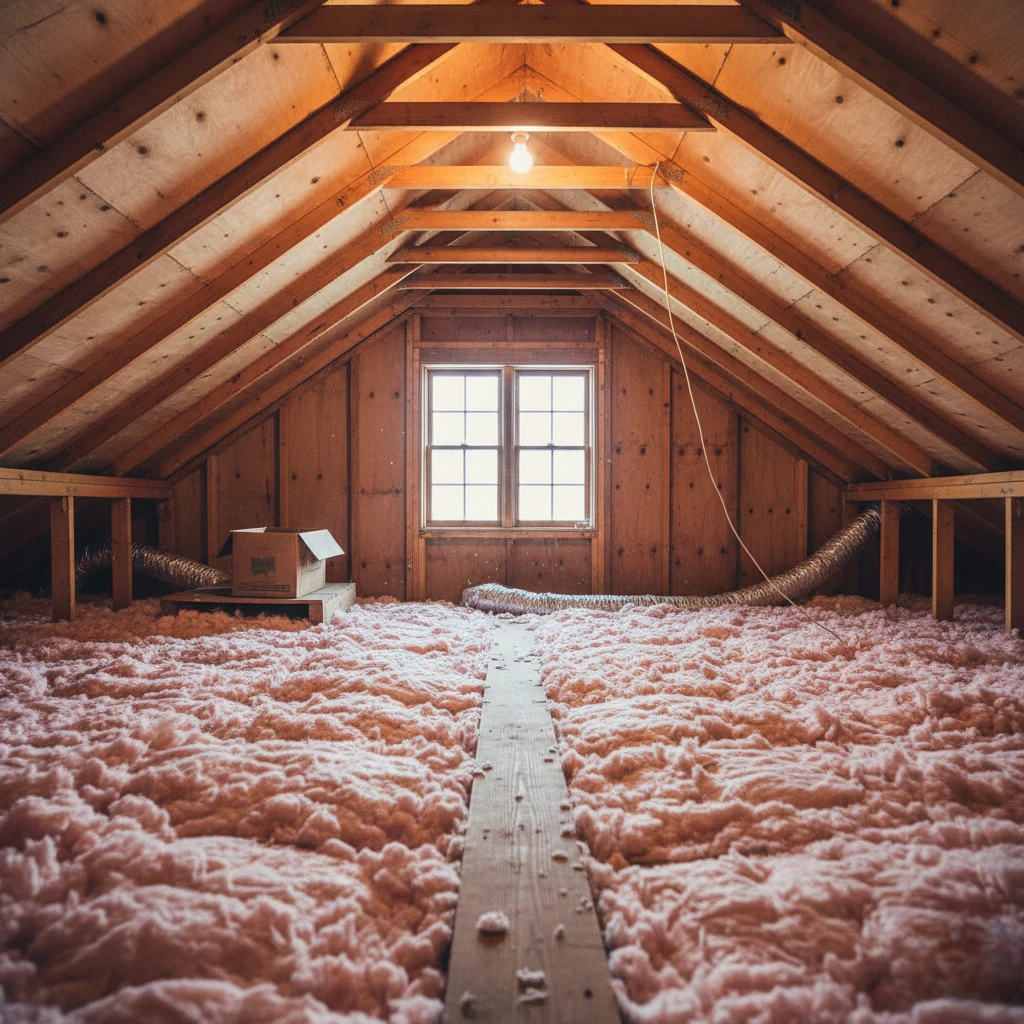
Executing a flawless thermal upgrade demands technical precision and a thorough understanding of structural ventilation. Relying on dedicated blow-in insulation installers guarantees the material distribution maintains proper airflow while maximizing heat retention. Inadequate installation frequently leads to blocked soffit vents, which trap moisture and rapidly degrade roofing materials. Precision techniques protect structural integrity while delivering exceptional, comprehensive blown-in insulation services.
Every residential or commercial structure presents unique architectural challenges that dictate the exact approach required. An industry study reveals that nearly 90 percent of single-family homes remain under-insulated, highlighting a massive opportunity for immediate property improvement. Thorough site evaluations identify existing thermal vulnerabilities before new material enters the building envelope. Whether opting for loose-fill or exploring spray-on foam, requesting a free consultation and free quote ensures precise project planning.
Things to Consider:
Navigating the specific climate challenges of the Ozarks requires solutions tailored to distinct seasonal extremes. As a dedicated blown-in insulation company serving Licking, MO, our primary objective remains to fortify local properties against humid summers and sharp winter temperature drops. Homes in this region endure rapid weather shifts that force HVAC systems to work overtime without adequate exterior defense. Upgrading local properties directly tackles these geographic realities, locking in stable indoor climates.
Strengthening regional housing infrastructure ultimately benefits the community by lowering grid demand and reducing utility burdens. Addressing local architecture ensures that the application methods perfectly match the area's structural nuances. This localized focus ensures that every project uses materials specifically chosen to combat Missouri's unique humidity profiles. Consistent applications build long-term resilience for neighborhood properties across the entire region.
Take the final step toward complete climate control and massive utility savings by securing a free consultation and free quote today. Whether you require dense loose-fill coverage or targeted spray foam applications, upgrading your property delivers immediate financial benefits. Reach out to Summit Thermal Solutions at (573) 889-3512 or [email protected] to enhance your property in Licking, MO; Rolla; West Plains; Waynesville; and St. Roberts, Missouri.
Unlock your 10% military discount now!
Blown-in insulation is loose-fill material, such as fiberglass, cellulose, or mineral wool, that gets blown into walls, attics, and crawl spaces using a specialized machine to fill gaps and hard-to-reach areas.
Properly installed loose-fill maintains consistent structural density and retains its full thermal resistance rating regardless of exterior freezing temperatures.
Blown-in insulation can last 20 to 30 years or more, though settling over time may slightly reduce its effectiveness in some materials like cellulose.
Blown-in insulation provides better coverage in irregular spaces and around obstructions like pipes and wiring, making it a great choice for existing walls and attics where batts are difficult to install.
Yes, blown-in insulation can usually be added on top of existing insulation to improve your home's overall R-value, as long as the old insulation is dry and in good condition.