
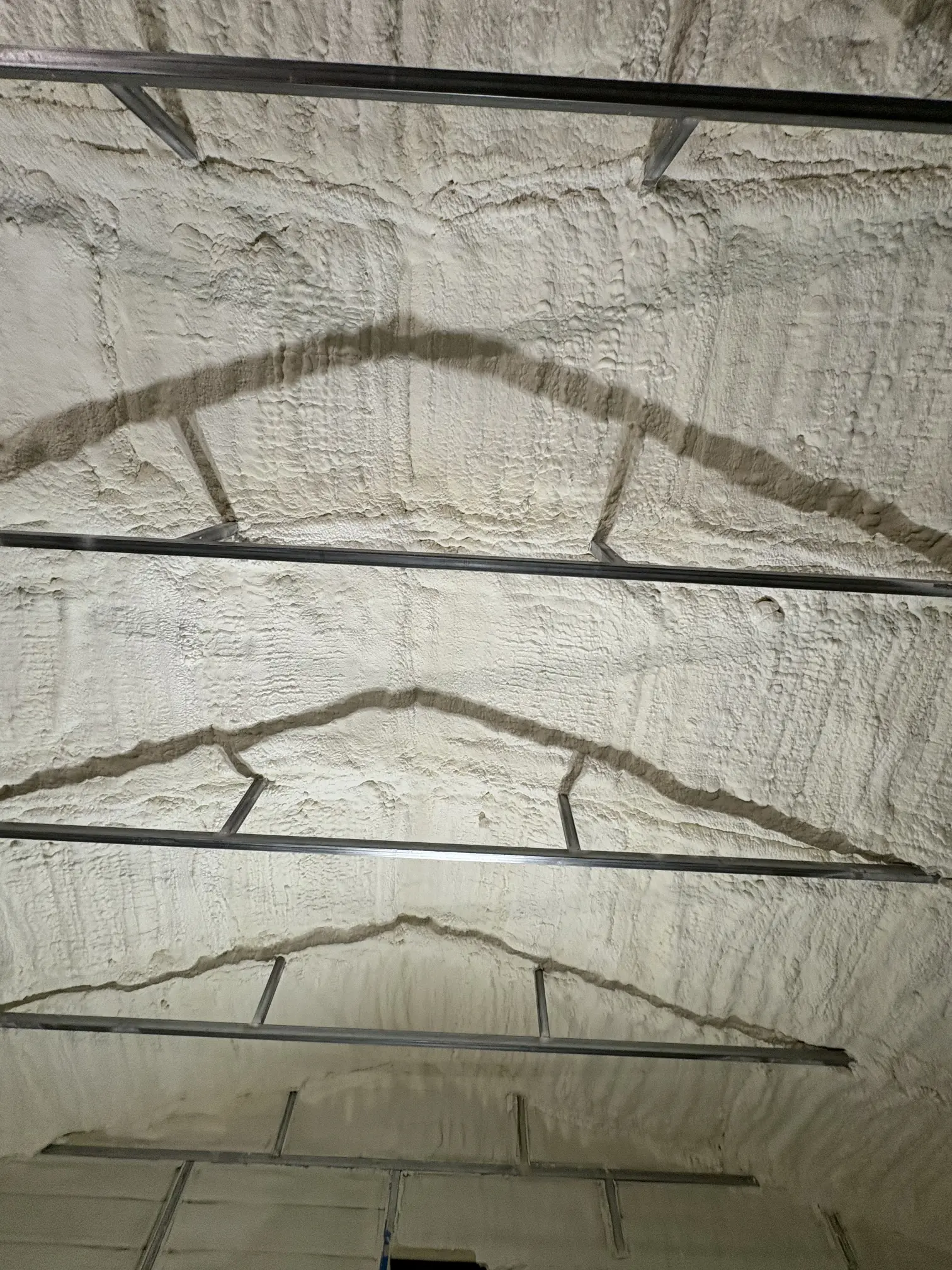
Heavy rainstorms and intense summer sun can rapidly turn an aging building cover into a constant source of anxiety, severe leaks, and skyrocketing utility bills for property owners. By upgrading to high-performance spray foam roofing in Licking, MO, and surrounding areas, you instantly lock out moisture while securing superior indoor climate control and long-term financial savings. This seamless liquid barrier completely revolutionizes how a facility handles extreme weather shifts, shielding the global environment through reduced energy waste while preserving the structural integrity of your property for decades to come.
Traditional building materials rely heavily on vulnerable seams, joints, and mechanical fasteners that inevitably degrade, separate, and allow destructive water intrusion over time. Transitioning to commercial spray foam roofing changes this dynamic completely by providing a monolithic, continuous barrier directly over the existing substrate. The rapid expansion process fills every gap, crack, and crevice to create a solid, impenetrable layer of protection across the entire building envelope. This advanced application method essentially eliminates the common failure points where most catastrophic moisture leaks originate.
Facility managers typically notice a dramatic shift in building temperature stability immediately following the material curing process. Industry data highlights that applying seamless polyurethane systems can reduce facility heating and cooling energy consumption by up to thirty percent annually. This exceptional thermal resistance significantly lowers the daily operational strain placed on expensive HVAC equipment, leading to fewer mechanical breakdowns and lower maintenance overhead. Investing in this resilient barrier directly translates into lowered operating costs and a much more regulated indoor environment year-round.
Replacing an entire roof often tears through operating budgets and exposes the sensitive interior of a facility to the elements during the lengthy tear-off process. A modern spray foam roofing system bypasses this massive disruption entirely by applying directly over most clean, existing structural materials. The liquid polyurethane rapidly expands and solidifies within seconds, molding perfectly to any unique shape or complex architectural feature on the surface. This fast-curing process minimizes operational downtime, allowing daily business activities to continue uninterrupted while the overhead structural upgrade takes place.
Beyond the straightforward and non-intrusive installation process, this high-performance method provides extensive functional advantages for aging commercial properties. The rigid closed-cell structure actually adds profound structural strength to the building without contributing excessive weight that could over-stress the underlying framework. Facility owners gain immediate peace of mind knowing the property remains highly protected against severe weather impacts and seasonal temperature fluctuations.
Selecting the correct protective material combinations is essential for extending the functional life of any large-scale commercial structure. The utilization of spray foam insulation for roof surfaces ensures complete, watertight coverage across even the most demanding and complex architectural layouts. By adhering directly to the prepared substrate, the rapidly expanding foam creates a customized seal around vents, HVAC units, pipes, and vulnerable skylights. The application utilizes specific, high-grade components designed exclusively to deliver maximum weather resistance and eliminate thermal bridging.
This highly adaptable service is directly tailored to meet the strict structural demands of large-scale properties requiring highly durable weather protection. Applying these specialized liquid materials dramatically improves the overall functionality, energy efficiency, and safety of vulnerable overhead structures. Professional application is utilized for the following property profiles:
Buildings located in Licking, MO, face a unique set of demanding environmental conditions, ranging from blistering summer heat waves to freezing winter ice accumulation. Utilizing reliable spray foam for roofing creates a resilient exterior shield specifically engineered to withstand these harsh seasonal extremes without cracking, splitting, or failing. The dense material moves flexibly alongside the natural expansion and contraction of the underlying building structure, preventing the severe damage commonly found in traditional rolled membrane materials. This localized weather resistance ensures local facilities remain completely dry and secure even during severe Midwestern storm systems.
Local property managers consistently deal with the frustrating threat of high humidity levels compromising sensitive interior air quality and valuable inventory. The airtight seal generated by this specialized polyurethane material stops humid exterior air from infiltrating the upper envelope, drastically reducing the potential for harmful interior condensation. Maintaining a dry, precisely regulated internal environment remains critical for manufacturing spaces, large warehouses, and local retail centers operating in this specific geographical climate. Upgrading to this advanced exterior barrier delivers a permanent defense mechanism against Missouri's highly unpredictable atmospheric shifts.
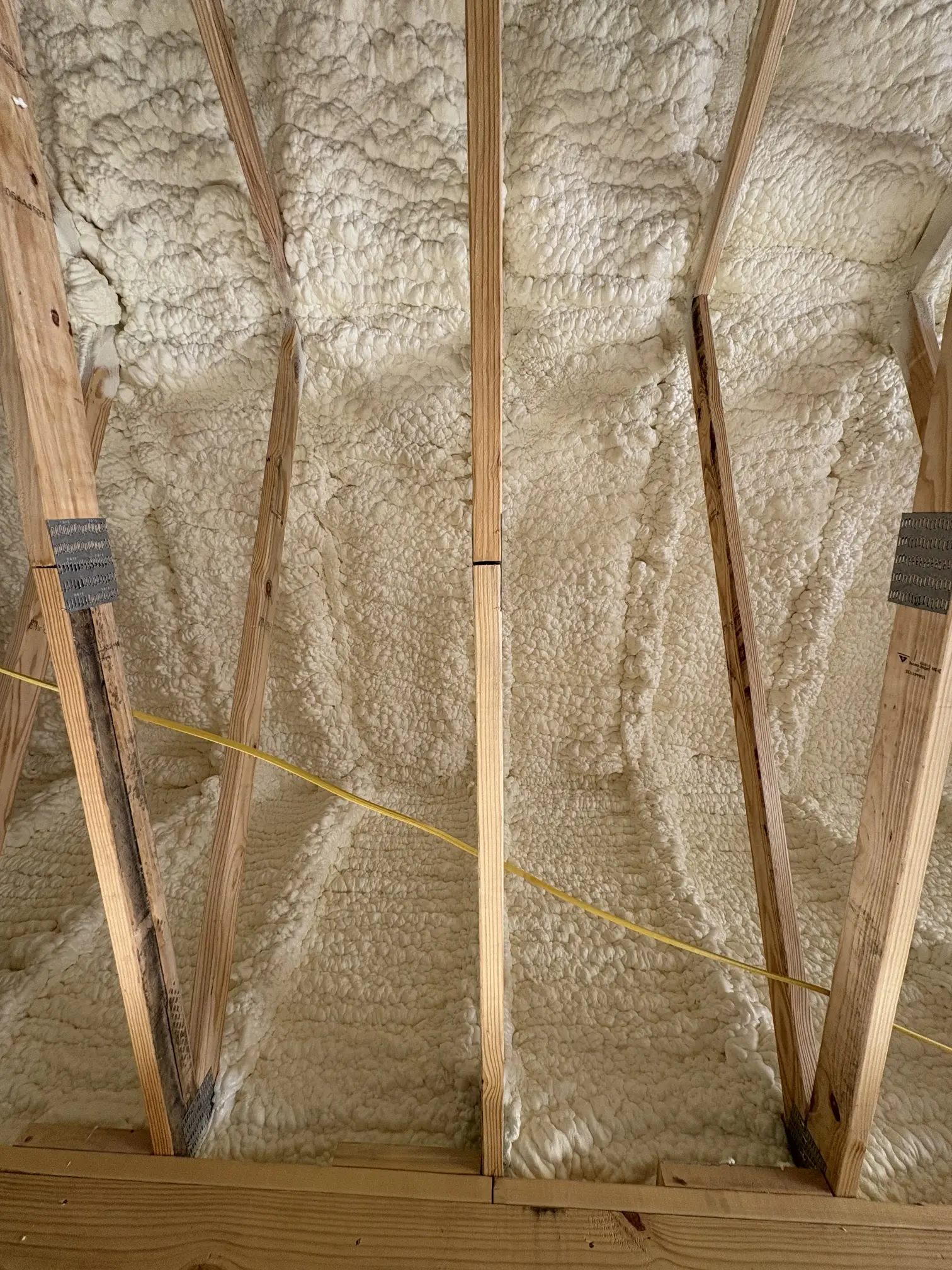
Navigating the various methods of commercial building protection requires understanding exactly how modern liquid materials outperform older, outdated installation techniques. Choosing advanced spray foam roofing insulation means prioritizing a seamless, fully adhered exterior barrier over older systems that rely heavily on vulnerable seams and mechanical fasteners. Standard membrane materials routinely require total tear-offs once they degrade, whereas polyurethane systems can simply be recoated to extend their functional lifespan indefinitely. Summit Thermal Solutions offers a free consultation and free quote to help facility managers confidently plan these essential structural upgrades.
To better illustrate the distinct advantages of this modern application approach, building managers should carefully compare it against conventional single-ply membranes. Examining specific performance metrics quickly reveals why liquid-applied options provide superior lifecycle value. The stark contrast in durability, internal insulation capacity, and daily maintenance requirements strongly favors a monolithic application over traditional seamed alternatives.
Feature | Spray Foam Insulation | Traditional Single-Ply Membrane |
Surface Type | 100% Seamless & Monolithic | Contains highly vulnerable seams |
Application | Applied directly over existing substrates | Often requires an expensive full tear-off |
Thermal Value | High continuous energy-saving R-value | Requires separate rigid insulation boards |
Maintenance | Renewable with simple topcoat recoating | Requires eventual total system replacement |
Things to Consider:
Upgrading your facility is a critical step toward permanently lowering energy expenses and preventing catastrophic interior water damage. We proudly serve Licking, MO, Rolla, Missouri, West Plains, Missouri, Waynesville, St. Roberts, Missouri, and the surrounding areas with reliable structural protection. Summit Thermal Solutions offers a free consultation and quote to help you identify the exact protective solution your building needs. Contact us today at (573) 889-3512 or email [email protected] to get your free quote.
Apply your 10% military discount today!
With proper routine maintenance and scheduled recoating of the elastomeric top layer every 15 to 20 years, the system can last the entire life of the building.
Upgrading to high-performance insulation creates a continuous thermal boundary that prevents air leakage, which can reduce heating and cooling expenses by up to 30 to 40 percent while minimizing wear and tear on the HVAC system.
Depending on the building's size and existing energy loss, many commercial insulation projects have a typical return on investment period of 3 to 7 years due to significant reductions in heating and cooling costs.
Spray foam can be applied over shingles if the surface is clean, dry, and in good condition. However, building codes vary by location, so check local requirements first.
In most commercial scenarios, the foam is applied directly over the existing clean substrate, safely eliminating the need for expensive, messy, and disruptive total tear-offs.